

Hello subscribers, fans, and well-wishers!
Typebar Magazine founder & editor Matt Wolfbridge here with a very special announcement: Typebar turns two years old this month!
Issue 1 of the magazine launched on 3/25/2024. Since then we've reached hundreds of thousands of viewers over eight issues in total. Thank you for reading us, whether you've been with us since the start or you've joined recently.
As a special present for participating in our anniversary celebration, we're currently offering 50% off on annual subscriptions. If you're a free subscriber, this is an excellent opportunity get full access to future issues of the magazine (Issue 9 launches 4/30!!) as well as our archive that stretches back, well, a full two years. The deal is active until the end of March, so get in before midnight on the 31st.
My own personal way to celebrate Typebar Magazine's run of eight full issues? Listing off some of Typebar's most meaningful essays to me. Like most parents don't have a favorite child, I don't have a favorite essay. They're all my favorite. But over the course of 24 months some stick out in my memory more than others.
In that spirit, here are the 12 essays that burn brightest in my mind for one reason or another...
 Typebar_Admin
I'm so glad this stunningly emotional and politically incisive finally got the attention it deserved on Bluesky recently. From January 2026's Issue 8, Basketball After the Vibe Shift serves as a recent sociopolitical history of basketball in the United States.
It's an excellent piece of sports-culture writing. Christopher Sloce has written other top shelf pieces for us (and another is on the list!) but this is easily my favorite of his. Did you know I first started out in media I aspired to be a sportswriter? Brilliant sports-culture writing used to be all over the place, but after the industry was hollowed out it's harder to find. Part of my mission for Typebar Magazine is to show outlets with more resources that there's a market for writing like this.
 Typebar_Admin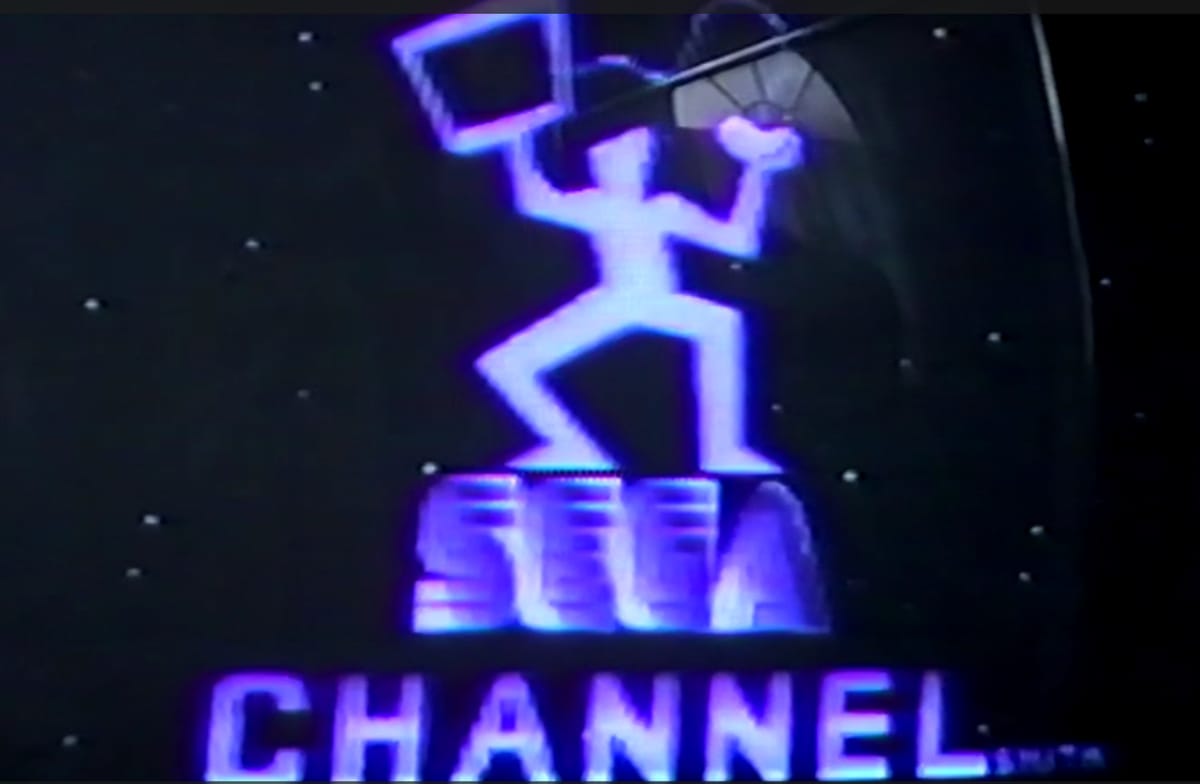
Another essay from Issue 8, Adam Ansley's exploration into the Sega Channel and other early attempts at digitally downloaded game networks holds a special place in my heart. If you click through, you'll notice the photo credit: Photo by Matt Wolfbridge (or his parents).
I was lucky enough to have the Sega Channel as a child, and the featured image is a still from a home movie of me showing it off to the camera.
This is an exhaustively researched essay about something I have the fondest memories of. I'd have been over the moon with this piece even if I was the only person on earth who read it.
 Typebar_Admin
Remember Media Twitter? I spent too long inhaling the saccharine and solipsistic fumes of the Brooklyn creative set at their most culturally powerful. BuzzFeed was one nexus of this power (consider yourself lucky if the phrase "BuzzFeed Hamilton Slack" means nothing to you).
It's hard to imagine in an era of BuzzFeed's very existence being unsure, but the outlet famous for flaming out once produced worrying pleas from writers desperate they couldn't work there.
In March 2025's Issue 5, Connor Wroe Southard explored the meaning of BuzzFeed on the 10-year anniversary of the infamous "I Hate Myself Because I Don't Work for BuzzFeed" Letter to The Awl. Maybe I'm just the worst kind of Media Twitter old salt, but I think this is a really fantastic read on a now-minute (for better or for worse) cultural moment.
 Typebar_Admin
Also from Issue 5, this defense of Dungeons & Dragons 4th Edition by Seann Barbour is a shining example of what I want a contrarian Typebar essay to be.
Now, I find most political contrarianism often tiresome at best and a troubling spiral to madness at worst. Even when considering harmless matters of opinion, appealing to outrage doesn't make much sense for a legitimate editorial operation. Why would we wanna be the Stephen A. Smith of cultural analysis?
But I love the type of essay Seann's 4E essay ended up being because it was both instantly thought provoking and true in the heart of the writer. We've even seen people come out in favor of the article recently on Bluesky.
 Typebar_Admin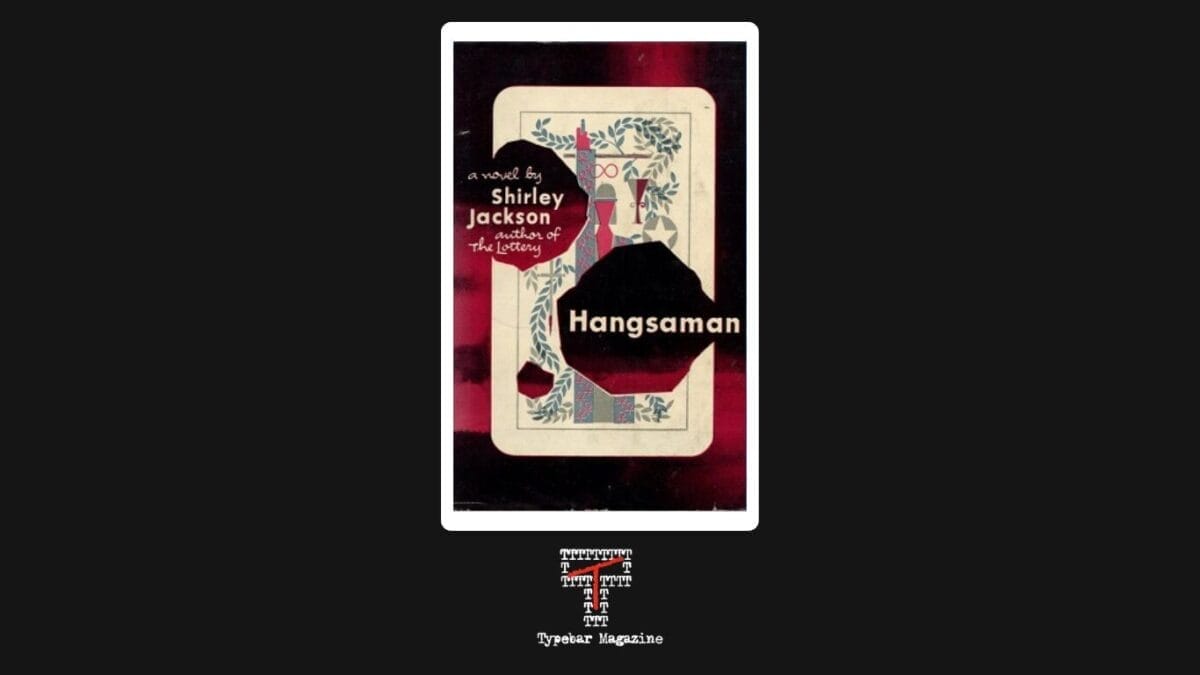
You know the cliche in baseball media where someone throws a pitch so fast the catcher takes off their glove and shakes out their hand? June Martin, author of the novel Love/Aggression, is able to throw those types of fastballs constantly without ever tearing her figurative rotator cuff.
June is adept at writing densely packed, high-powered literary analysis that, as an editor, feels me reeling like the baseball catcher. Her Issue 4 essay on Shirley Jackson's Hangsaman is such a textbook example of a trenchant-yet-trim book review that I'd send it to students as an example, were I a professor.
And we're all in luck, because she has another book review coming to Typebar Magazine this upcoming Monday, this time analyzing Gregory Maguire's Wicked: The Life and Times of the Wicked Witch of the West.
 Typebar_Admin
My favorite essays are the ones where I, personally, learned a lot about fields I was interested in. Sadly, I am a gamer. I also grew up watching Oklahoma!, Grease 2, and Into the Woods.
I never thought these two artforms had any relation to one another until Anna C. Webster's essay in Issue 4 made a convincing case for gaming and theater being "sworn brothers."
I love the essay because it was fueled by genuine passion, deep knowledge, and provides one of those headlines that as an editor you know will draw attention.
 Typebar_Admin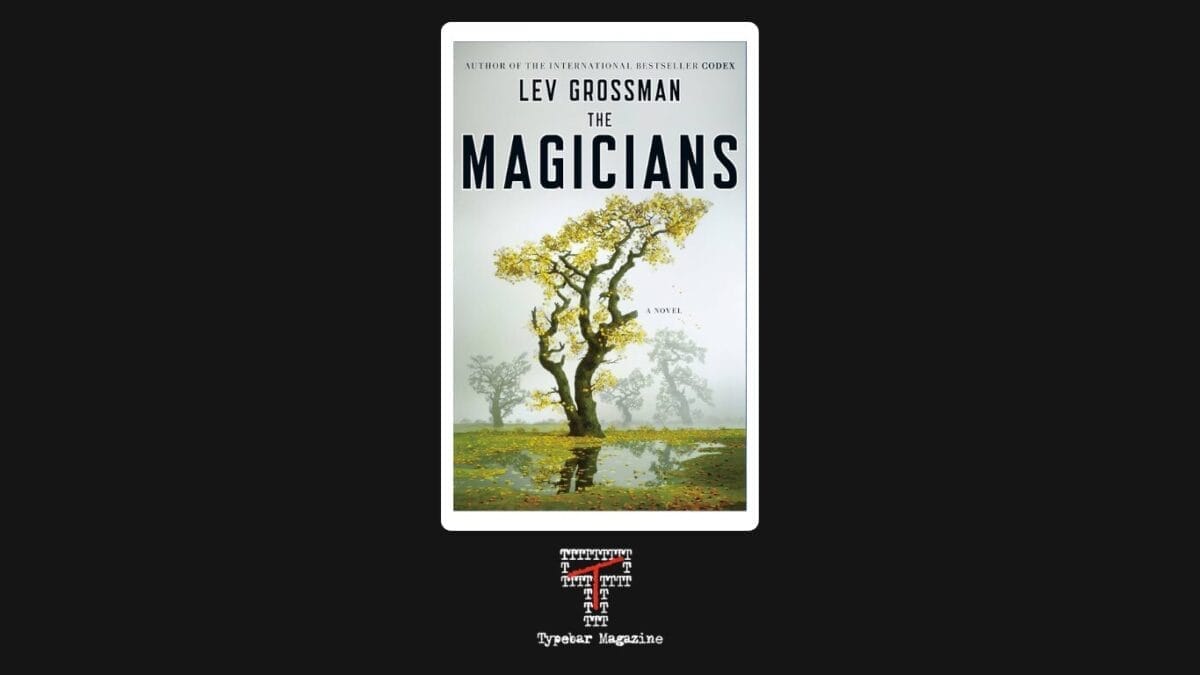
I remember reading Lev Grossman's The Magicians in 2017 and being angry. I sat there on the train fuming about this book. It was a bunch of Obama era upper crust striving centrist liberal trash–and a book not just written in Harry Potter's shadow but wearing said shadow proudly like a cloak.
An opinion that seems obvious to the average Typebar reader was impossible for a young Matt Wolfbridge to find nearly a decade ago. Everybody was talking about how awesome this book was. I felt like I'd gone mad after witnessing some kind of forbidden eldritch truth. Was I the only person on earth who thought this book was politically awful?
I started a literary magazine in part to find out. Thankfully, Sam Reader provided a detailed critique of this book in Issue 4. I wanted us to have an essay about this book in the very first issue, actually. Nobody stepped up to the plate until Sam did and they hit a grand slam as far as I'm concerned (no more baseball metaphors, I swear). I am proud to have cultivated a space for writers like Sam to write essays like the one I'd been craving in 2017.
A dream come true but dreams, alas, do cost money. I released Typebar's financials recently. We're not making money yet. We're offering 50% off the price of an annual subscription. Help me help writers. Help me help literature. Like with the baseball references, this'll be the last sales pitch of the post. Promise!
 Typebar_Admin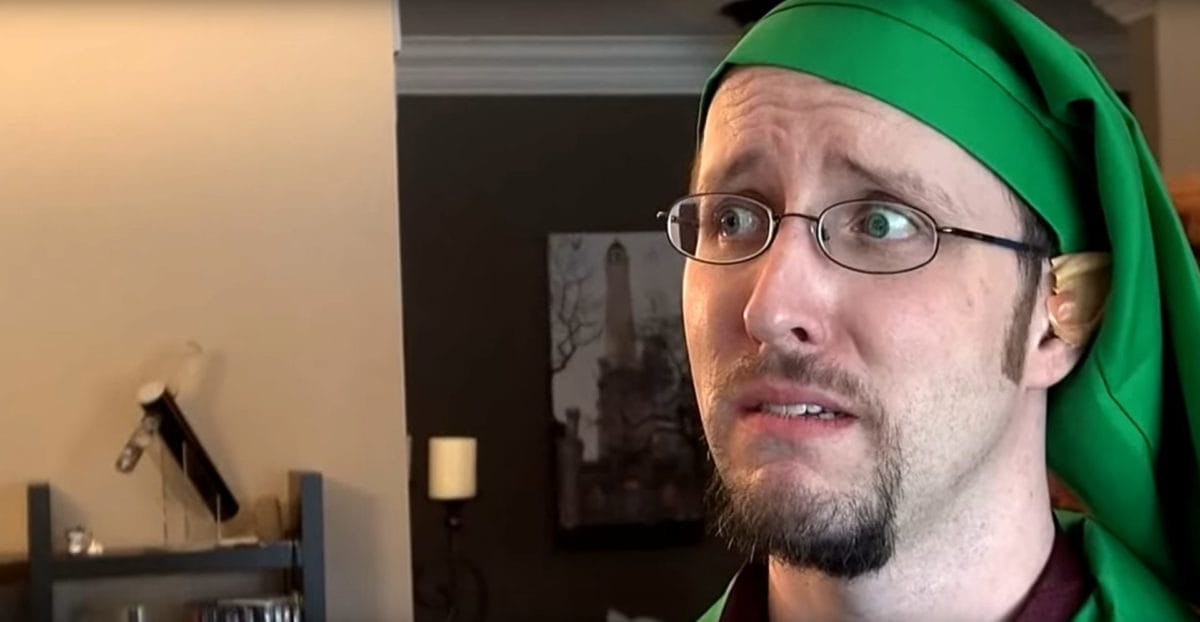
This essay from Issue 1 I envisioned before the magazine even started. I've made it no secret that I was a huge fan of Blood Knife in their day. Part of my vision for Typebar Magazine was "what if Blood Knife wrote about everything cultural instead of mostly focusing on scifi and horror?"
I had this take rolling around in my head. Doug Walker (also known as The Nostalgia Critic) made these awful movies in a prior era of the internet that, despite their vast failures as art, dispel the cultural fog of history enough to provide a direct line of sight into the culture of the late aughts as it shifted to a more insidious online culture by the mid 2010s.
The only place I could think of that would publish it would be a place like Blood Knife that understood the value of online culture, but it seemed a little out of their wheelhouse topically. In my own mind, when I was trying to think of what Typebar was, among the first answers was "the type of place that takes the Doug Walker movies seriously as culture." For better or for worse, that's the kind of publication Typebar Magazine ended up being.
Christopher Sloce did an amazing job here giving this trilogy of films that turns from fever dream to fever nightmare the analysis it deserves.
 Typebar_Admin
My worst fear for Typebar was also my greatest certainty: We would probably not break 1,000 viewers in the first year of operating.
Thanks in part to this essay from Simon McNeil, we broke that number in the first few hours of the site's existence. This piece achieved a level of interest I didn't think would ever be possible for Typebar Magazine. People I went to college with were sharing it in their Instagram stories without knowing it was my magazine!
Simon wrote this for Issue 1 and it's still one of our most read pieces day-to-day. The essay arrived at a critical point for science fiction. It was clear the nightmares past authors of the genre envisioned had come to pass. Scifi therefore needed to find a new way forward. Matthew Claxton recently wrote a great follow-up on what that new way looks like.
 Typebar_Admin
I'm not sure if I've been happier to see an essay do well. Gwen C. Katz wrote this academic treatise on solar science's impact on science fiction for Issue 1. As I said above, I thought the site wouldn't break 1,000 viewers in the first year.
This is one of the two essays, along with Simon's, that brought in many viewers to that very first issue.
Yes, I was happy it hit a high benchmark, but I was happier that the essay proved there was massive (or at least far more than people thought) interest in academic literary history–a field many major publications have all but abandoned.
 Typebar_Admin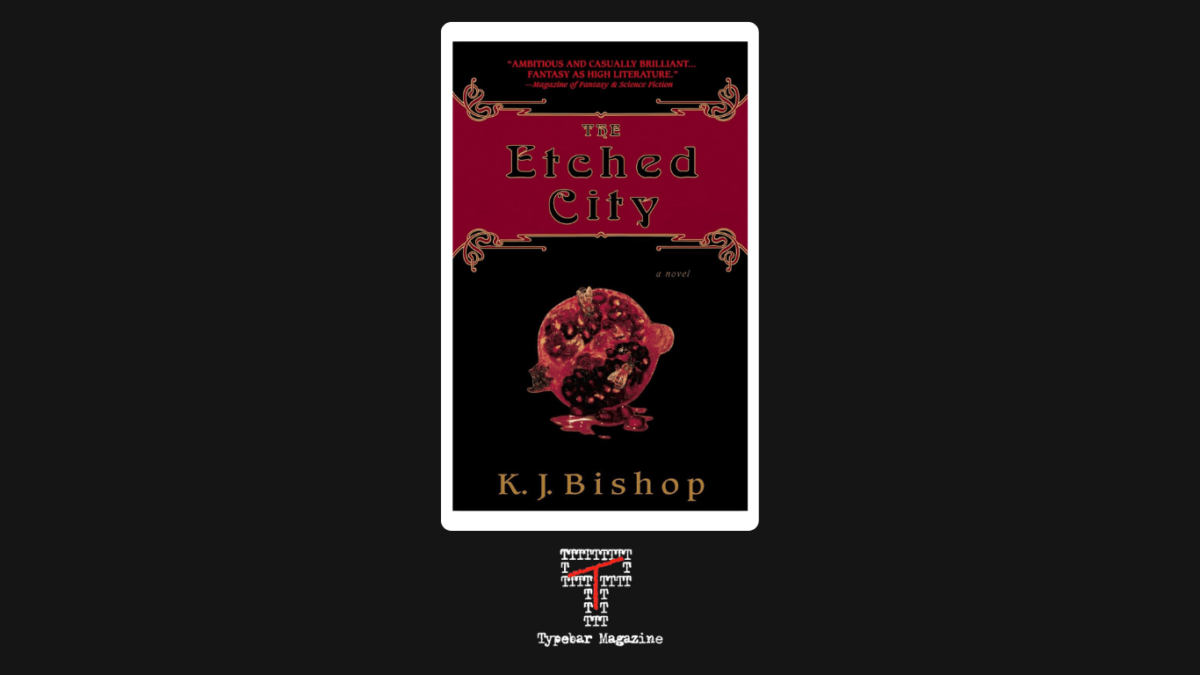
Like the Doug Walker essay, I had this one in my mind before the magazine existed.
J.R. Bolt personally recommended The Etched City to me in a Discord server some years prior to me founding Typebar. I approached him to review the book for Issue 1 and we're all so lucky he said yes.
J.R. paints a lovely picture of Ashamoil and an even lovelier picture of what fiction can be if we don't chain it down with cliches and conventions.
 Typebar_Admin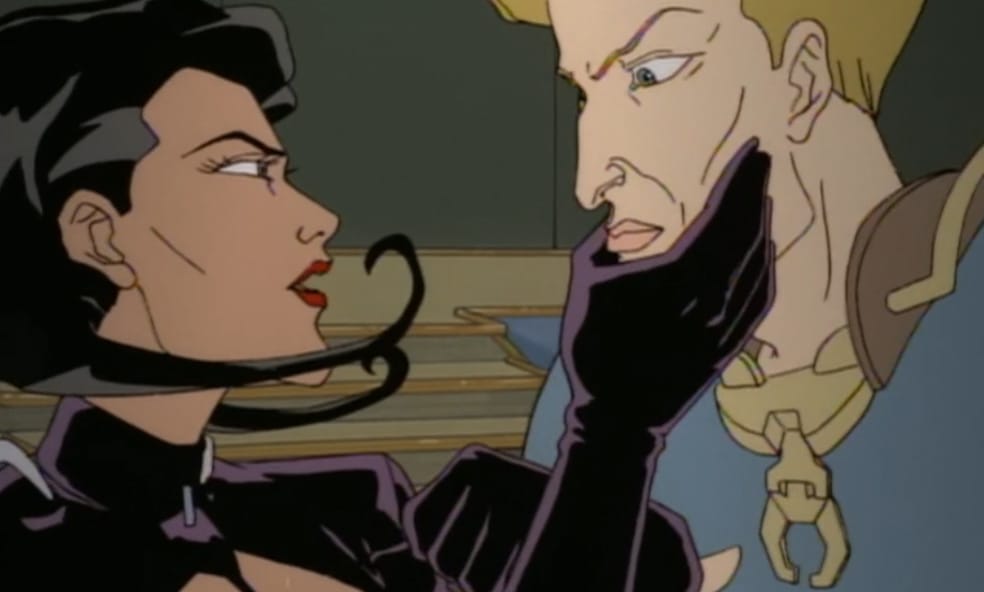
Would you believe this is the essay that started it all? As in the author Will Greatwich was the first person ever to pitch Typebar Magazine when we first opened for submissions before the launch of Issue 1?
In the ear of AI slop, I was worried what the submission inbox would look like. Thankfully, Will got us off to an excellent start with his analysis of how Aeon Flux relates to the mystery box genre.
I always say my favorite essays to edit are the ones where I learn things. I'd been dimly aware of the show's existence (funnily enough I was more familiar with The Head from the same MTV animation block) but learned through the essay and its reception that the show has a dedicated following online.
Well, that's it everyone. I'd love to get emotional but I have quite a few more Typebar-related tasks to attend to. Issue 9 launches on April 30th. The Typebar Magazine editorial office (definitely not a crumbling apartment) is as busy Santa's workshop after Thanksgiving. I'd best be going!
Thank you all so much for your support and we'll see each other Monday 3/30 for June Martin's review of Wicked!
